ASEAN Cup 2026 Blockbuster: Thailand and Malaysia Prepare to Renew Southeast Asia’s Most Heated Rivalry
For anyone who has followed Southeast Asian football for more than a few seasons, a Thailand–Malaysia match at the ASEAN Cup is not just another fixture. It is the kind of night that gets circled on calendars months in advance. As the two sides prepare to meet today, I want to share three observations that frame why this particular edition of the rivalry feels heavier than usual.
First: this is not a dead-rubber encounter. With qualification implications hanging over both groups, every point matters, and neither camp can afford to rotate heavily. Second: the pressure distribution is uneven. Thailand arrives with a wider squad and more recent regional silverware, while Malaysia enters with a sharper motivational edge but a thinner bench. Third: the tactical battle will be decided in midfield, not in the final third. Both teams have struggled at times this season against aggressive pressing in the center of the park, and that is where the match will be won or lost.
Three Findings That Frame the Entire Match
Let me expand those observations, because they are not obvious from the scorelines alone.
Finding One: The Rivalry Runs Deeper Than Any Single Squad
Thailand and Malaysia have met more than 30 times in regional competitions, and the emotional temperature never drops. Malaysian fans still talk about the 2018 final, when their side came within minutes of lifting the title before Thailand turned the tie around. Thai supporters, in turn, remember the away matches in Bukit Jalil where the noise made it almost impossible to hear the referee’s whistle. Those memories shape how the players approach the first tackle, the first aerial duel, the first flashpoint near the technical area. In derbies like this, the opening twenty minutes often look more like an elimination playoff than a group-stage fixture.
Finding Two: Squad Depth Will Tell After the 70th Minute
Watch the first hour closely, because both elevens will look relatively balanced. The real divergence appears late. Thailand’s recent regional campaigns have been built on the ability to introduce fresh, technically comfortable players off the bench. Malaysia, by contrast, tends to rely on a smaller core of starters who have carried the qualifying phase. If the score is level at 1–1 or 0–0 entering the final quarter, the team with the stronger substitutes usually finds the winning edge. That is a structural advantage Thailand has held in recent years, not a guarantee of victory.
Finding Three: Set Pieces Are the Quiet Decider
Both camps have conceded soft goals from dead-ball situations in previous ASEAN Cup cycles. Corner routines, long throws, and well-rehearsed free kicks often decide meetings between these sides because open play tends to be cagey and compressed. I would not be surprised if the opening goal, whenever it comes, originates from a second-phase set piece rather than a sweeping move.
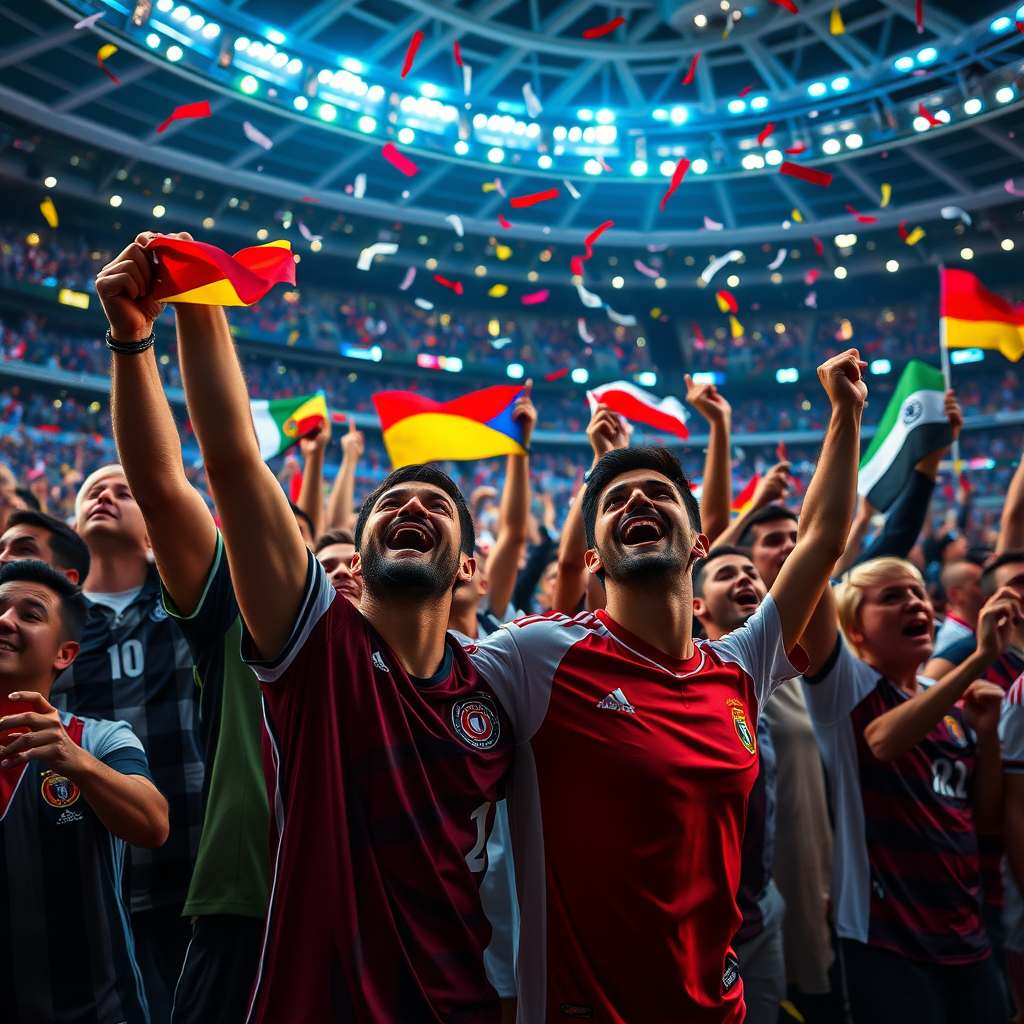
 Hình minh hoạ: TR88
Five Things That Stand Out in This Edition
Beyond the broad narrative, there are five specific factors worth monitoring when the referee starts the clock.
- Midfield balance: Thailand’s preferred double pivot will face a Malaysia midfield that likes to shift the ball quickly toward wide channels. Whoever controls the second balls in the middle third dictates the rhythm.
- Full-back restraint: Both national teams use attacking full-backs, but leaving space behind them against fast wingers is a recipe for disaster. The cleverer coaches may instruct one full-back to stay home while the other pushes high.
- Goalkeeper distribution: Modern ASEAN Cup matches are won by how well a keeper starts attacks, not just by shot stopping. Malaysia’s goalkeeper must be comfortable playing under the shadow of Thailand’s press.
- In-game management: The first substitution often arrives before the 55th minute in these contests. A coach who waits too long while the opponent wrestles control of the midfield will pay for it.
- Discipline: Derbies produce challenges that referees punish more harshly than usual. One yellow card to a key defender in the first half can change how the whole back line approaches tackles in the second.

Comparing the Two Camps: A Practical Breakdown
To give you a clearer picture, I put together a comparison across the categories that tend to matter most in regional tournaments. This is not a prediction table; it is a way of seeing where each side holds an edge and where the gaps could close before kickoff.
| Category | Thailand | Malaysia |
|---|---|---|
| Squad depth | Strong bench with several capable replacements across attacking and defensive lines | Relies heavily on a smaller core of trusted starters |
| Tournament experience | Multiple finals appearances in recent ASEAN Cup cycles | Deep history in the tournament but fewer recent showpiece appearances |
| Home advantage | Familiar conditions if playing at home; strong traveling support | Exceptional crowd atmosphere when playing in Malaysia; loud away support too |
| Tactical flexibility | Capable of switching between patient possession and direct counter-attacks | More predictable shape but effective when executing the game plan perfectly |
| Pressure level | Expected to carry the region’s biggest names; facing criticism if results slip | Perceived as challengers; able to play with less external expectation in this fixture |

Who Should Watch This Match Closely — and Who Should Think Twice
This is not the moment to pretend that every football fan needs to see this game at all costs. Different viewers come to an ASEAN Cup derby with different expectations, and honesty about that is better than forced enthusiasm.
Who Will Find Real Value in the Match
If you enjoy observing tactical adjustments, especially the way coaches respond to early pressure, this fixture is worth your full attention. The first twenty minutes will reveal which side did the more careful homework during the preparation window. Notice how the second balls are contested, whether the wide midfielders tuck in or stay wide, and how many times the center-backs are forced into rushed clearances. Those details are where the true story of the match lives. Neutral fans who appreciate rivalry, atmosphere, and the occasional moment of technical brilliance will also find plenty to enjoy.
Long-time followers of Southeast Asian football already know that this specific rivalry has produced unforgettable images: last-minute equalizers, controversial penalty calls, and celebrations that land on the front pages of the next morning’s newspapers. If you belong to that group, you probably do not need me to convince you to tune in.
Who Should Approach With Lower Expectations
Casual viewers who expect end-to-end attacking football from the first minute will likely feel restless. Many Thailand–Malaysia meetings are tense, compressed, and low-scoring for long stretches. The game sometimes resembles a chess match with heavier physical contact, and that is not everyone’s idea of an entertaining evening.
Likewise, anyone looking for a quick way to make money from the match should step back. Tournament football between evenly matched rivals does not reward gamble-heavy thinking. There is no formula that converts a rivalry into a reliable outcome. Anyone who tells you otherwise is either guessing or selling something. If you still choose to engage with the match through a gaming platform, set a strict budget, treat it as entertainment, and never chase losses. A derby like this deserves respectful viewing, not reckless financial risk.
Practical Recommendations Before the Whistle Blows
You do not need to over-prepare to enjoy this match, but a few small steps will make the experience better.
- Check the official broadcaster list early. ASEAN Cup broadcasting rights vary by country, and streams appear on different channels each edition. Confirm the channel or verified streaming source the day before the match.
- Read the lineups when they drop. The starting eleven announced roughly one hour before kickoff tells you more than any pre-match analysis. Look for late changes in central defense and midfield, because those are the areas where injuries often hide.
- Watch the first ten minutes without distractions. The early phase of this rivalry always reveals which team settled nerves faster. If you are multitasking, you will miss the most telling moments of control and composure.
- Keep notes on tactical adjustments. Even if you watch alone, jot down when the first substitution happens and which side changes shape. That small habit makes any match more engaging and helps you see patterns across the whole tournament.
Many fans across the region like to discuss the buildup and compare views on forums before kickoff. I have seen lively conversations around the match on various platforms, including some threads on TR88 where supporters debate team news and tactical setups. It is worth browsing a few discussions to see what the broader fanbase is focusing on, even if you prefer to form your own conclusions from the ninety minutes on the pitch.
For viewers who want a quick reference to the match context and the wider ASEAN Cup group picture, keeping a page like https://tr88m.com/ open can be handy. It works as a shortcut to check schedule details and see how the tournament narrative is developing from a region-wide perspective. Just remember that no website’s preview replaces what you will see with your own eyes when the players step onto the grass.
Conditional Verdict: A Match That Rewards Patient Watching
Here is my honest assessment, with the condition attached. If you value the emotional weight of Southeast Asian football’s most meaningful rivalry, and if you appreciate matches that are decided by small details rather than spectacular moments, then this encounter will reward you richly. If you need constant action and immediate drama, you might find the first hour difficult, and that is a fair preference to hold.
The judgment depends on what you want from an evening of football. I have watched enough editions of this tournament to know that Thailand–Malaysia games rarely fit a tidy narrative. They are messy, contested, and sometimes decided by a single moment of individual quality or a defensive error that nobody saw coming. That unpredictability is precisely why the fixture matters, and why it continues to draw attention across the region and beyond.
FAQ
When is the Thailand vs Malaysia ASEAN Cup 2026 match?
The match is scheduled to take place today as part of the ASEAN Cup 2026 group stage. Check the official ASEAN Cup schedule for the precise kickoff time in your local time zone, because broadcast times vary across countries.
Where can I watch the match?
Official broadcasters for the ASEAN Cup differ by country. Review the list released by the tournament organizers or your local sports channel before kickoff. Unofficial streams are often unreliable and sometimes disappear mid‑game.
Is this match relevant only to fans of Thailand and Malaysia?
No. Because the ASEAN Cup uses a group format, the result affects the standings for every other team in the group. Fans of other participating nations should pay attention to this result as it could influence qualification scenarios and potential knockout-stage pairings.