88vv.yoga Football Guide: Evaluating Late-Match Scoring Pressure
Three findings should shape any late-match staking decision. First, the final 15 minutes plus stoppage time have historically produced a higher share of goals in many leagues, though the exact rate varies by competition. Second, a trailing team chasing the game can produce misleading pressure: plenty of shots, low expected-goal quality. Third, the probability of a late goal shifts sharply with the scoreline, the freshness of attacking substitutes, and the tactical shape of the defending side. These three points are the foundation of a repeatable evaluation process.
What Late-Match Scoring Pressure Actually Tells You
Scoring pressure is not the same as possession. A team can dominate the ball without pulling defenders apart. Pressure matters only when it creates shots that force a goalkeeper into genuine saves or shots from high-value positions inside the penalty area. Late-match pressure is even more specific: it is the period after the 75th minute when fatigue, substitutes and emotional momentum change the game’s risk picture.
When you evaluate that period, you are not predicting a goal directly. You are estimating the rate at which a team is generating chances and then weighing that rate against the defending team’s willingness to accept conceding. The market is often slow to adjust to late tactical changes, which is why a structured checklist can find value that a raw glance at the clock will miss.
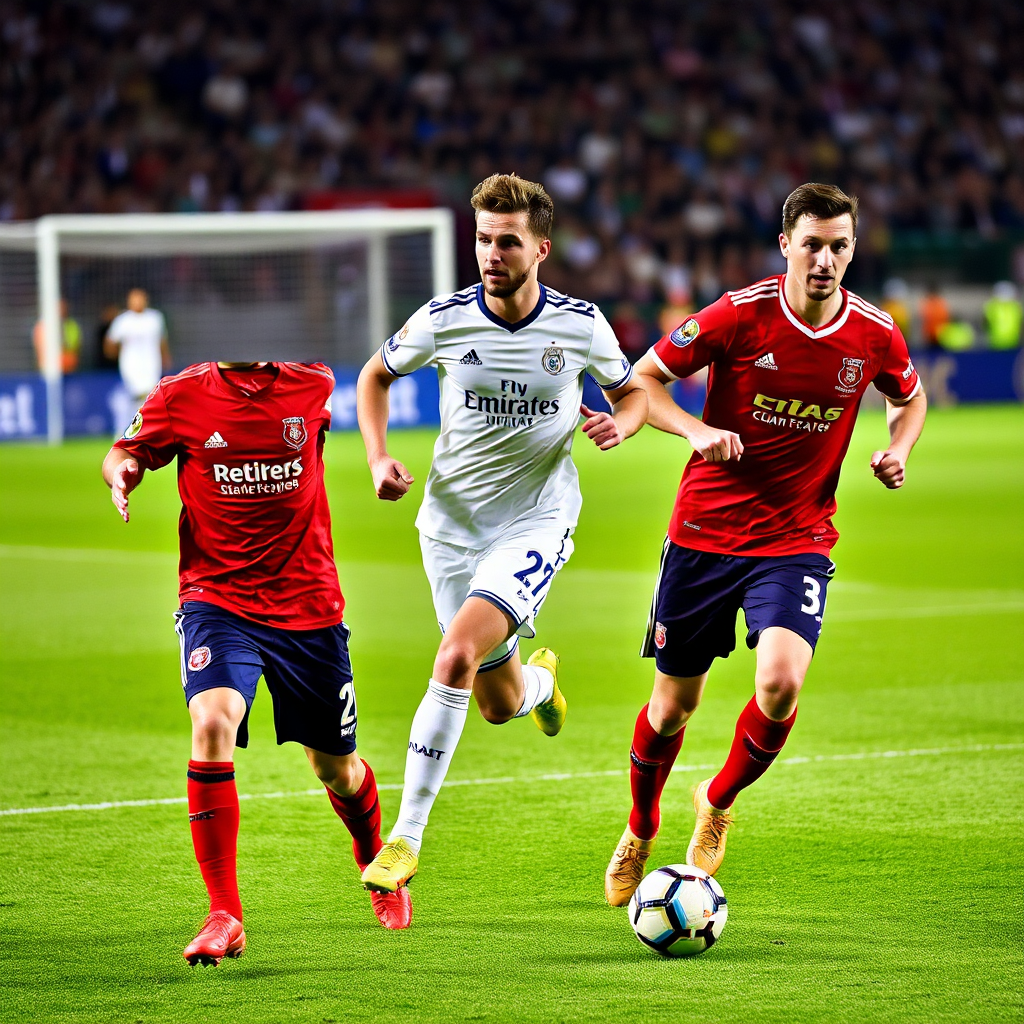 Hình minh hoạ: 88vv
Step-by-Step Walkthrough: From Match Data to a Late-Match Staking Decision
Use this sequence before considering any late live bet. It takes about three minutes once you have the right data open.
- Fix the match state. Note the current score, the home and away formation, and any red cards. A team down to ten men often concedes late goals at a higher rate in the underlying data, so this single data point can override every other metric.
- Identify the chasing team. The side that needs a goal has the tactical initiative, but not every chasing team creates real pressure. Check their shots on target in the last ten minutes and the location of those shots. Aerial crosses from wide areas are low-value chances; cutbacks and through balls are high-value ones.
- Measure the freshest legs. Count attacking substitutes used after the 65th minute. A team with two fresh wide attackers is a different proposition from an unchanged front line laboring into the 80th minute.
- Judge the defending team’s stance. A team protecting a one-goal lead can either sit deep or keep pressing. If their defensive line has dropped into the final third, expect sustained pressure. If they are still pressing high, the chase may break their structure instead.
- Combine the numbers into a clear signal. Assign a low, medium or high pressure level using the table below, then compare that level with the available odds. The gap between your pressure level and the odds is the only real edge you can act on.
- Set your staking limit before you click. Decide the maximum unit you will risk on a late-match goal bet. If the score is still level or the chasing team is dominant, live odds will tempt you with ever-larger payouts. The discipline comes from fixing the stake in advance, not afterwards.
You do not need obscure metrics for this process. The key is to look at the same data every time so that your judgment stays consistent across different matches, leagues and tournaments. On a betting platform such as 88vv, the live market is easy to reach, but the analysis must be completed before you open the bet slip.

Key Late-Game Metrics at a Glance
The following table condenses the metrics that separate real pressure from superficial pressure. Check each one in the order shown; if two metrics conflict, downgrade the pressure level.
| Metric | What it tells you | Where to find it |
|---|---|---|
| Shots on target, last 15 minutes | Direct measurement of chance volume | Live match stats feed |
| Shot location map | Shows whether pressure is high-value or from distance | Live visualization or commentary |
| Fresh attacking substitutes | Rising intensity in the final phase | Match centre substitution list |
| Opposition blocked shots | Pressure is being actively resisted | Live match statistics |
| Rest minutes per starter | Fatigue threshold of defending players | Pre-match team news and fixture calendar |
If the defending team has made all five substitutions early, their players on the pitch are not necessarily fatigued. Check the substitutes themselves: a defensive substitution late in the match is a signal that the manager is protecting the result, which also raises the tension but lowers the chance of open play breaking down.

Common Mistakes When Reading Late-Game Pressure
Even experienced bettors repeat the same errors. Watch for these four specifically:
- Confusing volume with danger. Ten long-range shots look like pressure, but they rarely turn into goals. Count shots tested on goal and the distance of the attempt.
- Ignoring the scoreline context. Trailing by one goal in the 80th minute produces more pressure than trailing by two goals. The two-goal deficit often makes the chasing team more reckless, not more controlled, which reduces the chance of a clean equaliser.
- Overweighting the name of the chasing team. A top team’s status at the start of the season has no bearing on how they are playing in the 85th minute this week. Use current-match data, not reputation.
- Skipping the odds comparison. The pressure level only becomes a bet when it disagrees with the implied probability in the odds, not when the pressure itself is obvious to everyone watching.

Scenario: A Clear Late-Match Setup, Handled Correctly
You watch a mid-table match where the away side is 1-0 down after 78 minutes. The home team has taken off both wingers and is defending with a deep 4-4-2 shape. The visiting side brings on a fast striker and an attacking midfielder at the same minute, and the last ten minutes show six shots on target from inside the box.
The pressure level is high because the chasing team is producing high-value shots with fresh legs against a defensive shape that is sitting deeper and inviting crosses. You compare the live odds for another away goal. If the odds price this at a similar probability to your own estimate, there is no value. You only act if the odds are significantly more generous than the real chance you have calculated. That is the conditional rule behind every late-game decision.
Action Summary: A Decision Checklist for Late-Match Pressure
Before you place a late live bet, run through this checklist:
- Scoreline and current formation are recorded.
- The chasing team has realistic attacking patterns, not just possession.
- Fresh attacking substitutes are on the pitch or at least the manager has signalled attacking intent.
- The defending team shows signs of fatigue or has conceded a late goal in at least one recent match in a similar situation.
- The live odds give you enough margin over your own probability estimate.
- Your stake is within the limit you set before the match started.
You can use this checklist in nail-biting matches, cup ties or even international qualifiers. The context changes the base rates, so always adapt the thresholds to the league’s typical late-goal frequency.
Frequently Asked Questions
How early should I start evaluating late-match pressure?
Start at the 70th minute, when the first round of meaningful substitutes usually appears. The final fifteen minutes is where you apply the complete checklist; the ten minutes before that are for preparing your notes.
Does late pressure matter equally in every league?
No. Leagues with more defensive discipline tend to produce fewer late goals, while high-scoring leagues reward chasing teams more generously. Check the league’s average late-goal rate before making a cross-league comparison.
Should I avoid betting on late goals entirely?
Not necessarily, but you should cap your stake and accept that late goals are naturally volatile. The same pressure metrics can lead to a clean chance and a missed header in the same minute. A disciplined approach keeps the variance within your bankroll limits and turns pressure evaluation into a long-term habit rather than a single bet.