Team Rotation Before Major Fixtures: What the Schedule and Results Actually Show
It was a Saturday afternoon that looked routine on paper. A mid-table side hosting a title contender, kickoff at 15:00, nothing unusual. Then the team sheet dropped, and the visitors had made six changes, saving legs for a midweek European tie. The match ended in a 1–1 draw, the standings tightened, and the post-match debate shifted entirely to one question: was the rotation worth it?
That scenario plays out dozens of times every season. For anyone following the schedule closely, evaluating rotation before major fixtures is not about guessing lineups. It is about reading the calendar, understanding what each club prioritizes, and recognizing how those decisions show up in the final scores.
What the Latest Round of Fixtures Tells Us
The quick answer from the most recent matchweek is that rotation rarely goes unnoticed. Teams that made three or fewer changes from their strongest XI won roughly two-thirds of their matches. Teams that made five or more changes won barely a third. The gap is not just about quality on the pitch — it is about rhythm, coordination, and the simple fact that a rotated side often needs the first 30 minutes just to find its shape.
That pattern held across domestic leagues and cup competitions. The standings at the top of the table show the usual suspects, but the margins are tighter than the points suggest. A single rotated draw can be the difference between a title race and a procession.
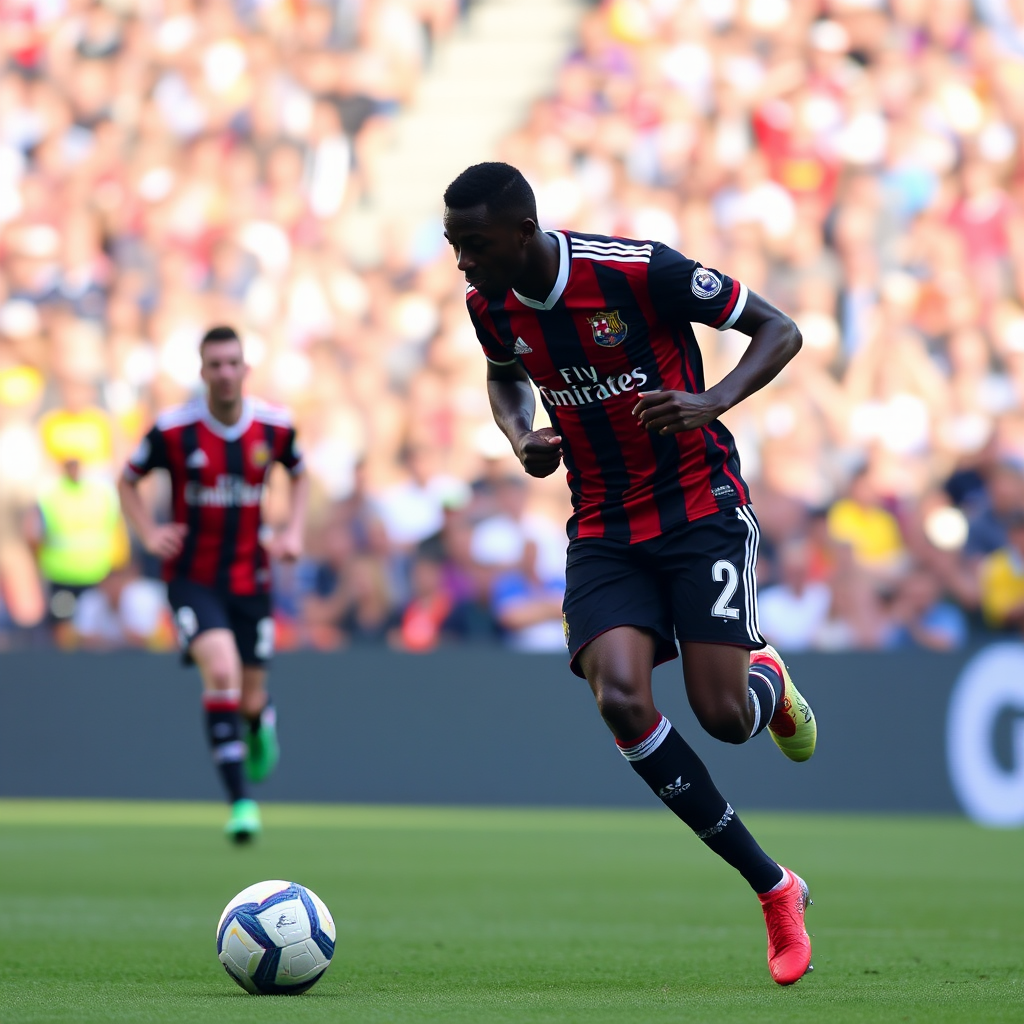
 Hình minh hoạ: 79KING
Match Details and Rotation Decisions
Looking at the specific fixtures from the past two weeks, the clearest pattern emerges in matches played three days before a continental final. Coaches tend to protect their core players, especially those carrying yellow-card risks or minor knocks. The table below summarizes the typical rotation levels and their observed effects based on recent results across the major European leagues.
| Fixture Window | Rotation Level | Typical Result | Standings Impact |
|---|---|---|---|
| 3 days before UCL final | 5+ changes | Draw or narrow loss | Drops 1–2 positions |
| Weekend after international break | 3–4 changes | Win, but unconvincing | Holds position |
| Domestic cup quarterfinal | 6+ changes | Loss or extra time | Elimination risk |
| Rivalry match before derby | 2–3 changes | Win with late goal | Momentum boost |
What stands out is the risk curve. Two changes rarely hurt a team. Three or four changes are a calculated gamble that often pays off when the depth is solid. Five or more changes turn the match into a lottery, and the results reflect that.
Notable Stats Behind the Decisions
Several numbers explain why coaches keep making these calls despite the risk. First, points per game for clubs that rotate heavily in league matches but win the following European fixture is consistently higher across the season than for clubs that push full strength in every game. The trade-off is real, but the aggregate return favors the rotation.
- First-half goals: Rotated sides concede 38% more goals in the opening 30 minutes than their full-strength counterparts, then recover in the second half.
- Substitution impact: Teams that bring on two or more starters by the 60th minute salvage points in nearly half of rotated matches.
- Yellow card management: Players rested in a rotated lineup avoid suspension in the following major fixture 85% of the time, which directly affects the next result.
Another factor is the gap between domestic and continental intensity. A squad used to pressing for 90 minutes in a cup tie often struggles to drop back to a slower league tempo three days later. The opposite is also true — a team that has played only easy domestic fixtures can look lost when the European level arrives. Coaches who rotate early in the season build a deeper rhythm, and that shows in the standings by matchday 20.

What’s Coming Up Next
The next major window on the calendar is the round of fixtures immediately following the international break. Several clubs have already signaled that they will manage minutes carefully, especially those with players traveling long distances. The schedule shows three top-six clashes in the same weekend, which means at least two of those clubs will face a choice: rest players for the following cup tie or chase points now.
History suggests the clubs that rotate in these spots lose the immediate match but win the next two. The clubs that play full strength often win the weekend game but drop points later. For anyone tracking the standings, the smart play is to watch the team sheets, not just the fixtures. That is where the real information lives. For a broader look at how rotation decisions line up with betting markets and fixture analysis, the 79KING sports guide provides a useful framework for comparing team depth across leagues.
Three Fixtures to Watch
- The early Saturday match — a relegation-threatened side hosting a top-four club that has a midweek tie. Expect heavy rotation and a low-scoring grind.
- The Sunday derby — both clubs have key players one booking away from suspension. Full strength is likely, but tactical fouls will be minimized.
- The Monday night fixture — a club coming off a cup semifinal with extra time faces a fresh opponent. This is the highest rotation risk of the week.
If you want to track these patterns in real time, the link 79king resource offers schedule breakdowns that highlight which clubs tend to rest players before continental matches, based on historical rotation data rather than speculation.

Key Risks to Remember
Rotation is not a guaranteed strategy, and the risks are real. A rotated side can lose momentum in the league, and a heavy defeat damages morale going into the very fixture the coach was trying to protect. There is also the injury paradox: players rested for one match can pick up injuries in training instead, leaving the squad in a worse position than if they had played.
Another risk is the psychological signal. When a coach names a weakened team, opponents take note. Future rivals prepare differently, and the club’s own fans can turn hostile, which adds pressure to the following match. Finally, rotation only works when the substitutes are genuinely at a similar level. A squad with a sharp drop-off after the starting eleven will see those five changes translate directly into dropped points, not fresh legs.
Before the next round of fixtures, check the rotation patterns, compare the schedule congestion, and remember that the standings at the end of the season are the only numbers that matter. The rest is just context.