Fan Culture Evolution Across Major European Stadiums In Modern Era
Three key findings immediately shape how we understand contemporary matchday environments. First, physical architecture has shifted from purely functional spectator containers to integrated entertainment districts that blend sport, retail, and digital engagement. Second, crowd management relies increasingly on predictive analytics and biometric screening rather than static security perimeters, fundamentally altering how supporters enter, move, and remain seated. Third, the economic model behind ticket allocation now prioritizes multi-year loyalty metrics and localized community partnerships over simple auction-style pricing, which has quietly reshaped who actually gets to watch games live.
Five Core Observations on Stadium Development
Long-term observation of venue transformations across Europe reveals consistent patterns that separate successful modernization from costly missteps. The first pattern involves acoustic design adjustments. Early renovation projects often prioritized sightlines over sound retention, resulting in quieter atmospheres that failed to energize players or traveling supporters. Recent builds intentionally curve lower tiers and install sound-absorbing baffles strategically, proving that visibility and volume are not mutually exclusive. The second pattern concerns food and beverage logistics. Older concourses suffered from severe bottlenecks because vendors operated independently. Contemporary layouts group suppliers under unified point-of-sale systems, reducing wait times by consolidating inventory and streamlining payment processing through contactless terminals. The third pattern addresses accessibility compliance. While older grounds treated ramp installations as afterthoughts, modern codes require universal pathways that connect parking structures, public transit hubs, and premium lounges without crossing pedestrian traffic flow. The fourth pattern relates to broadcast infrastructure. Lighting arrays now adjust dynamically to minimize glare for camera equipment while maintaining adequate illumination for night matches, a shift that initially confused spectators accustomed to harsh floodlights but ultimately improved television clarity. The fifth pattern emerges around merchandise distribution. Instead of scattered stalls that fragmented crowd density, flagship retail zones concentrate near primary exits, allowing fans to purchase apparel before navigating post-match transport networks. These five observations form the backbone of how venues operate today.
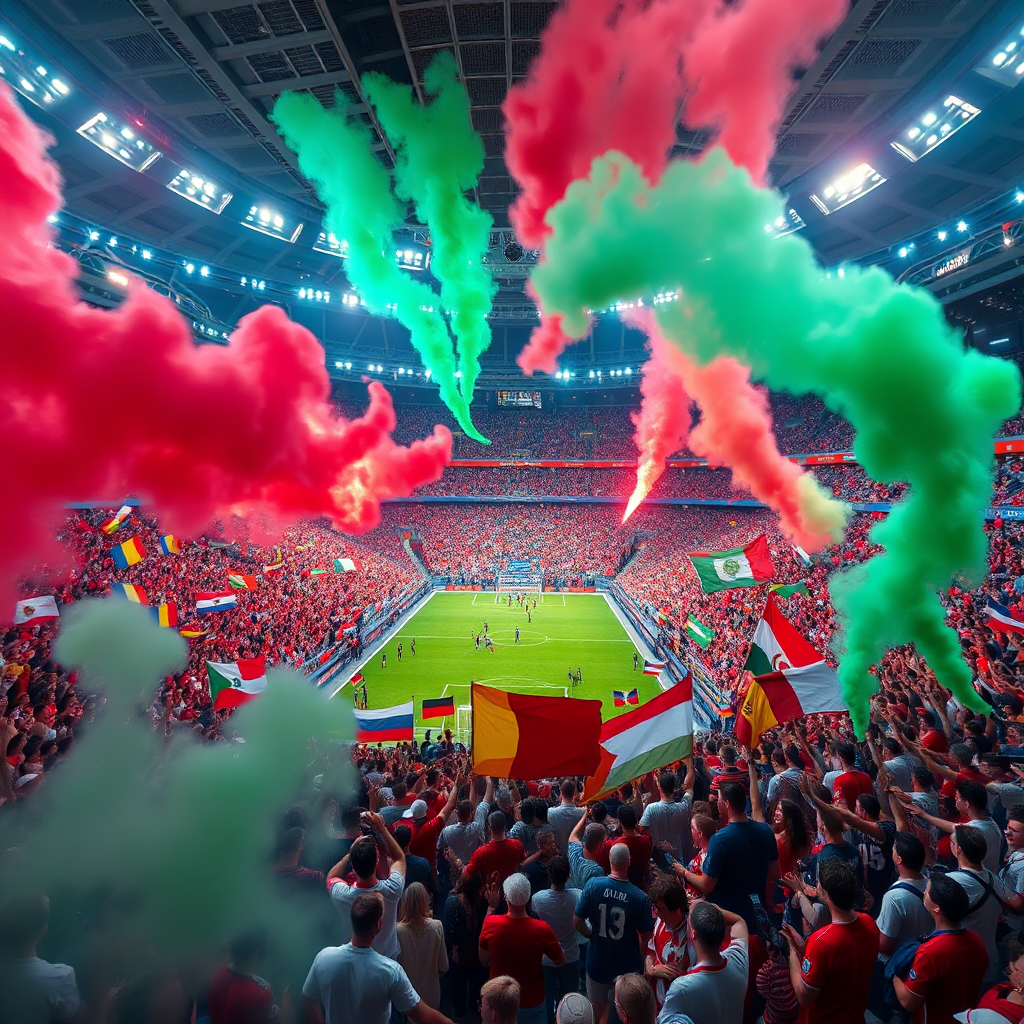 Hình minh hoạ: 789win
How Matchday Atmospheres Have Fundamentally Shifted
The transition from traditional supporter sections to mixed-use terraces represents the most visible cultural change. Historical grounds allocated large standing areas specifically for organized chanting groups, creating predictable acoustic rhythms that defined club identity. Modern safety regulations and capacity optimization have largely replaced those zones with tiered seating, which improves comfort but disperses vocal coordination. Clubs have responded by installing centralized audio reinforcement systems that amplify drum beats and vocal cues without overwhelming ambient conversation. This technological mediation creates a more controlled atmosphere, though it occasionally dilutes the spontaneous energy that once characterized local derbies. Another noticeable shift involves digital interaction layers. Most venues now offer companion applications that provide real-time seat upgrades, concession ordering, and AR-enhanced stadium tours. While convenient for casual visitors, these tools fragment attention away from the pitch, altering how supporters process gameplay moments. Corporate hospitality zones have also expanded significantly, converting former maintenance corridors into glass-enclosed viewing suites. These spaces generate essential revenue but sometimes isolate wealthier patrons from general admission sections, reducing cross-tier social mixing that previously fostered broader community identity. The integration of these elements demonstrates that modern stadiums function less as pure sporting arenas and more as multi-layered civic infrastructure.

Comparing Architectural and Operational Models
| Venue Approach | Primary Focus | Seating Configuration | Revenue Strategy | Atmosphere Impact |
|---|---|---|---|---|
| Heritage Preservation | Historical continuity | Limited standing zones | Membership drives | High organic noise |
| Hybrid Integration | Balanced comfort and tradition | Modular tier transitions | Dynamic pricing tiers | Moderate amplified support |
| Commercial Optimization | Maximum occupancy efficiency | Uniform reclining seats | Corporate partnerships | Controlled ambient sound |
| Family Entertainment | Multi-generational appeal | Wider aisles, play zones | Package bundling | Reduced intensity, higher engagement |
Each configuration serves distinct demographic priorities. Heritage preservation models rely heavily on local supporter trust, requiring transparent communication about renovation boundaries. Hybrid integration attempts to satisfy both purists and casual attendees, though balancing conflicting expectations often requires careful seasonal scheduling adjustments. Commercial optimization maximizes yield per square meter, which benefits club finances but demands rigorous crowd flow management to prevent congestion near premium entrances. Family entertainment layouts sacrifice some vocal density for accessibility, making them highly effective for youth development programs but occasionally less compelling for veteran followers seeking intense competitive environments. Evaluating these models requires examining how each handles peak match hours, emergency egress routing, and off-season utilization rates.

Which Visitor Profiles Fit the New Environment
Understanding who thrives versus who struggles within modernized venues helps set realistic expectations before purchasing tickets. Casual tourists and first-time attendees typically adapt quickly because enhanced wayfinding, mobile concessions, and multilingual staff reduce navigation friction. These visitors benefit from predictable service standards and climate-controlled rest areas. International travel groups also align well with hybrid models that prioritize group booking coordination and dedicated lobby spaces for meeting points. Conversely, traditional terrace enthusiasts often find the transition challenging. Standing restrictions eliminate the physical camaraderie that historically sustained chant coordination, while electronic turnstiles remove the informal entry rituals that once marked community belonging. Supporters accustomed to negotiating informal season allocations may also feel alienated by algorithm-driven preference systems that reward recent engagement history over historical membership duration. Families with young children generally integrate smoothly into family-oriented configurations, yet they occasionally struggle with late-night departure logistics when public transit frequency drops after evening fixtures. Digital-native visitors appreciate app-based upgrades and instant replay feeds, though they sometimes overlook the importance of reading stadium announcements due to screen dependency. Recognizing these behavioral mismatches allows visitors to select appropriate matchdays and ticket categories before arrival.

Practical Steps for Navigating Modern Venues
Successful matchday planning requires deliberate preparation rather than impulse purchases. Begin by verifying entry requirements specific to your chosen fixture, as some clubs enforce stricter bag policies or digital ID verification during high-profile fixtures. Download the official companion application before arrival to familiarize yourself with zone maps, concession locations, and emergency exit markers. Reserve transportation routes well in advance, particularly when attending events coinciding with city-wide concerts or political gatherings, since local authorities frequently reroute bus and tram lines around stadium districts. If purchasing secondary market tickets, confirm transfer eligibility through the club’s official exchange portal rather than relying on third-party resellers that lack verified credential validation. For concession planning, identify preferred vendor clusters near your assigned sector to minimize walking distance during halftime intervals. Review dietary restriction accommodations early, as many venues now label allergen information digitally rather than printing it on physical menus. When utilizing premium services, verify whether lounge access includes designated seating assignments or operates on a first-come basis, since unmarked policies frequently cause unnecessary queue buildup. For comprehensive breakdowns of how digital platforms integrate with modern matchday ecosystems, further reference can be found at https://789win.codes/. Finally, establish a clear departure strategy before kickoff ends, because congested exit gates typically materialize forty-five minutes after the final whistle rather than immediately upon stadium release.
Key Risks to Remember Before You Attend
Modern stadium evolution introduces several structural vulnerabilities that spectators should monitor closely. Dynamic pricing algorithms sometimes surge ticket costs disproportionately during low-stakes fixtures, creating artificial scarcity that penalizes loyal members rather than rewarding attendance volume. Data collection practices embedded in contactless payments and facial recognition scanners raise legitimate privacy concerns, particularly when visitor movement patterns are stored indefinitely without transparent opt-out mechanisms. Crowd displacement tactics, while improving safety, occasionally funnel large groups toward identical concourse exits, increasing slip hazards and delaying restroom availability. Commercial expansion frequently converts heritage landmarks into branded experience zones, which gradually erodes neighborhood identity and reduces affordable dining options in surrounding streets. Regulatory compliance varies significantly across jurisdictions, meaning accessibility guarantees promised during construction phases may degrade if municipal oversight weakens after grand openings. Financial strain also emerges through mandatory insurance fees and surcharge additions that inflate base ticket prices beyond initial listing amounts. Finally, reliance on digital infrastructure creates single points of failure; network outages during peak sales windows routinely disable entry credentials, forcing manual verification processes that bottleneck main gates. Awareness of these limitations enables more measured decision-making when selecting fixtures, booking accommodations, and managing day-of-event expectations. You can find more details at https://789win.codes/.